
Download iData Mac Data Recovery – Free Mac File Recovery Tool
Overview
iData Mac Data Recovery is a dedicated utility for macOS that helps users retrieve lost, deleted, or corrupted files with a clean and intuitive interface. Whether you’ve accidentally emptied the Trash, suffered a virus‑induced data loss, or reformatted a drive, this free software offers a reliable pathway to recover images, documents, audio, video, and even email archives. The program’s strength lies in its flexible scanning options: a targeted scan that focuses on specific folders or drives to speed up the process, and a comprehensive “deep scan” that combs through the entire storage medium for hidden fragments.
While the deep scan takes longer, it maximizes the chance of retrieving files that were partially overwritten or hidden in system sectors. iData also extends support beyond internal Mac drives, handling external hard drives, USB sticks, SD cards, iPods, digital cameras, and smartphones connected via USB. This versatility makes it a valuable tool for photographers, designers, students, and anyone who relies on macOS for daily work. The free version delivers a solid set of recovery capabilities, while a paid upgrade unlocks advanced preview functions and priority support.
Overall, iData Mac Data Recovery positions itself as a user‑friendly, secure, and efficient solution for anyone facing data loss on a Mac.
Key Features & Capabilities
- Selective and Deep Scanning: Choose exact folders, volumes, or run a full‑disk scan to locate every recoverable file.
- Broad File Type Support: Recovers images, PDFs, Office documents, audio tracks, video clips, emails (Mail.app), archives, and more.
- Multi‑Device Compatibility: Works with internal SSD/HDD, external USB drives, Thunderbolt devices, SD cards, iPods, digital cameras, and Android/iOS smartphones connected via USB.
- Virus Attack Rescue: Restores files after malware infection or ransomware attempts, provided the drive is still readable.
- Formatted Disk Recovery: Retrieves data from drives that have been re‑formatted or partitioned anew.
- Preview Before Recovery: Free version shows file names and basic thumbnails; paid upgrade offers full preview of documents and media.
- Secure Deletion Option: After recovery, users can securely erase unrecoverable sectors to protect privacy.
- User‑Friendly Interface: Simple step‑by‑step wizard guides even non‑technical users through the recovery process.
Each feature is designed to reduce the technical barrier that often accompanies data‑recovery tasks. For example, the selective scanning mode allows a photographer who knows the exact folder where RAW files were stored to target that folder, cutting scan time from hours to minutes. Meanwhile, the deep scan employs sector‑level analysis, reconstructing file signatures even when the original directory entries have been erased. iData’s support for a wide range of storage devices means you don’t need separate tools for each media type; the same application can recover photos from a memory card and a lost presentation from a corrupted external SSD in one session. The inclusion of a secure delete function adds a layer of data privacy, ensuring that once a file is deemed unrecoverable, its remnants are overwritten safely.
Installation, Usage & Compatibility
Step‑by‑Step Installation
- Visit the official iData website and click the Download for macOS button.
- Once the
.dmgfile finishes downloading, open it to mount the installer disk image. - Drag the iData icon into the
Applicationsfolder. - Launch the app; macOS may request permission to access your files—grant it via the Security & Privacy pane.
- Follow the on‑screen wizard to complete the initial setup and run your first scan.
How to Run a Recovery Scan
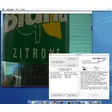
After launching iData, you are greeted with a clean dashboard that asks you to choose a scan type. For quick recovery, select “Custom Scan” and pick the exact volume or folder where the missing files were stored. If you are unsure of the location, choose “Deep Scan” which will examine the entire drive, including hidden partitions.
Click Start Scan and watch the progress bar. Once completed, the software lists recoverable items grouped by file type. You can preview each file (preview limited in the free version) and then click Recover to save them to a safe destination—never recover to the same drive you are scanning, to avoid overwriting additional data.
System Requirements & Operating System Support
iData Mac Data Recovery is optimized for macOS 10.13 (High Sierra) and later, including macOS Ventura (13) and macOS Sonoma (14). The application runs natively on both Intel‑based Macs and Apple Silicon (M1, M2) thanks to universal binaries. Minimum hardware requirements are modest: 2 GB RAM, 200 MB of free disk space for the application itself, and a processor that supports 64‑bit instructions. Because the software accesses low‑level disk sectors, it may require administrator privileges during installation and scanning.
Compatibility with external devices is seamless; simply connect your USB‑C, Thunderbolt, or SD‑card reader, and iData will automatically detect the new volume. For smartphones, ensure they are mounted as mass‑storage devices (or use the “File Transfer” mode on Android) so the app can treat them as regular drives. The software also respects macOS’s sandboxing rules, providing a secure environment that isolates the recovery process from other applications.
Pros, Cons & Frequently Asked Questions
Pros
- Free version offers solid core recovery capabilities without hidden fees.
- Intuitive UI makes the tool accessible to non‑technical users.
- Supports a wide range of file types and storage media.
- Selective scan dramatically reduces recovery time for known locations.
- Secure delete option adds privacy protection.
Cons
- Full preview of recovered files is limited to the paid upgrade.
- Deep scan can be time‑consuming on large drives (several hours).
- No built‑in cloud backup integration; recovered files must be saved locally.
- Occasional false‑positive listings on heavily fragmented disks.
Frequently Asked Questions
Can iData recover files after a macOS reinstall?
Yes. If the drive was not reformatted during the reinstall, iData can scan the volume and restore most deleted files, provided they haven’t been overwritten.
Is the software safe to use on SSDs?
Absolutely. iData performs read‑only scans, so it does not trigger additional write cycles on SSDs, preserving the drive’s lifespan.
Do I need an internet connection to run a recovery?
No. All scanning and recovery functions work offline. An internet connection is only required for downloading updates or purchasing the premium license.
Can iData recover files from a corrupted Time Machine backup?
It can attempt recovery if the backup volume is still mountable. However, Time Machine’s proprietary format may limit success compared to standard file systems.
What file size limit does the free version have?
The free version does not impose a strict size limit, but it caps the number of files that can be recovered in a single session to 100. For unlimited recovery, upgrade to the paid edition.
Conclusion & Call to Action
iData Mac Data Recovery delivers a compelling blend of simplicity, versatility, and security for Mac users facing accidental deletions or system failures. Its free tier provides enough power to recover most everyday files without forcing users into a costly subscription, while the premium upgrade unlocks deeper previews and priority support for professional environments. The clear interface, combined with robust scanning options and broad device compatibility, makes it a solid addition to any Mac toolbox. If you’ve ever lost a photo, a critical document, or an email thread, give iData a try – it’s a trustworthy, low‑risk solution that can bring your data back to life.
Free – USD – Download iData Mac Data Recovery now and start the recovery process within minutes. Your data is valuable; don’t let an accidental wipe keep it hidden.
iData Mac Data Recovery strikes a fine balance between user‑friendliness and technical depth. The free version covers most typical loss scenarios, and the paid upgrade feels reasonably priced for the added preview capability. Minor drawbacks like longer deep‑scan times are outweighed by the overall reliability of the recovery results.